Summit homeowners could soon be required to maintain private stormwater systems at their own expense under an ordinance the Common Council introduced Monday, Nov. 16.
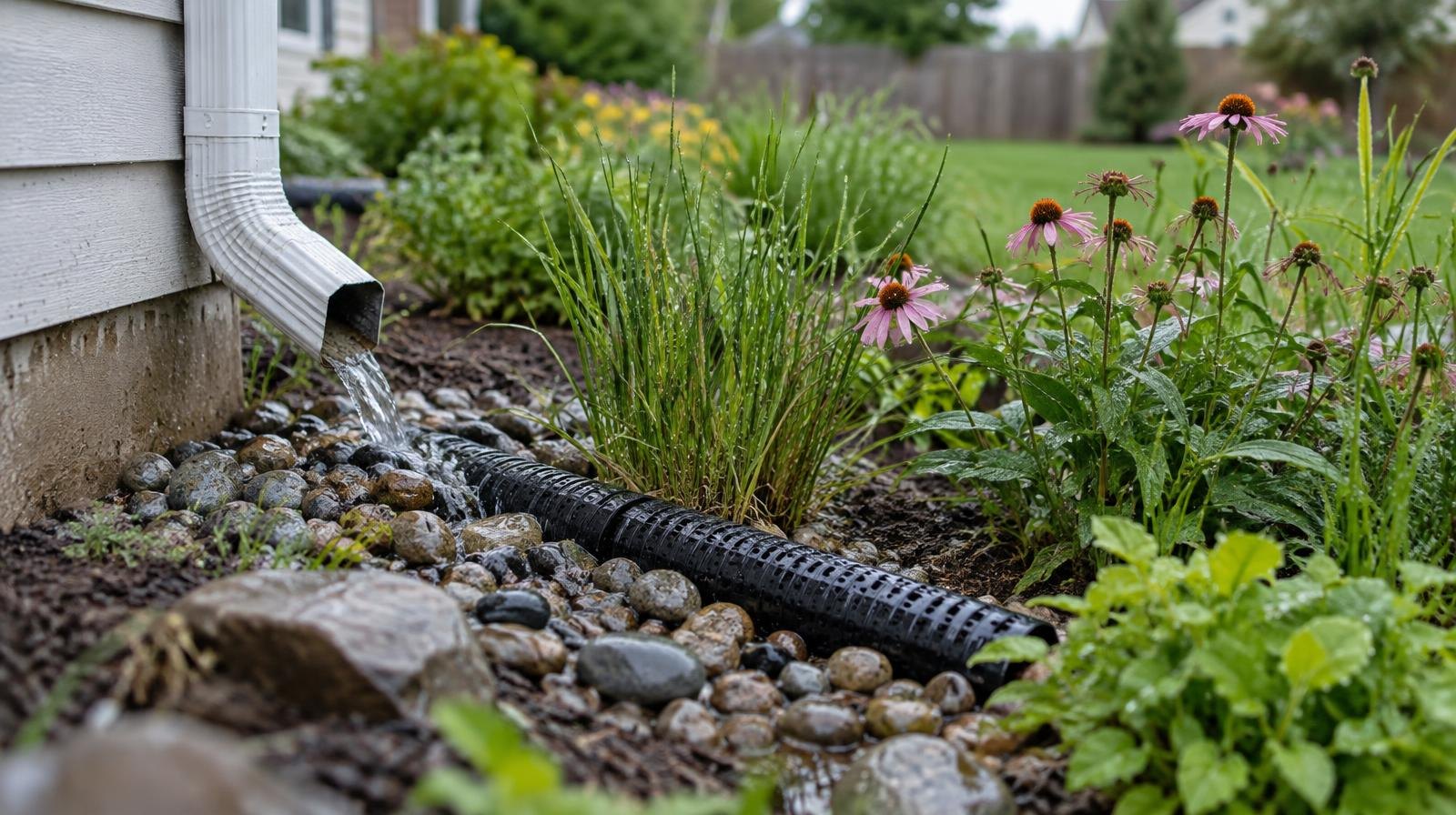
The draft ordinance covers drywells, drains, rain gardens and other features that collect or slow rainwater, NJ 21st first reported. A public hearing is scheduled for Dec. 1.
Before the vote to introduce, Council President Claire Toth caught a drafting error. One sentence said owners would be required to "alter" or "upgrade" a system's original design. Toth identified the missing word: "not." She asked for the sentence to say the obligation is "not intended" to require those changes. She also corrected "Borough Engineer" to "City Engineer."
The fixes addressed a conflict NJ 21st had flagged in its Nov. 12 agenda preview. That preview noted one sentence appeared to require upgrades while other sections focused on keeping systems working as designed.
Councilman Crisafulli said Summit already requires property owners to install drainage systems such as drywells. He said the city needed a way to make sure they are maintained.
Councilwoman LaSaracina voted to introduce the ordinance but said she wanted a rough estimate of the additional cost to residents before the hearing and final consideration.
Resident Dan Tyrrell pressed the council on broader language in the draft. He supported maintaining drainage systems but raised a pointed question: could the wording leave homeowners responsible for water that naturally flows downhill?
The draft includes "natural or man-made" drainage features and allows enforcement when a facility causes runoff onto neighboring property. It requires an investigation into the cause and responsibility before ordering repairs. Tyrrell asked for an explicit distinction between natural runoff and problems caused by improper changes or neglected systems.
Tyrrell also wanted clarity on how the city would distinguish routine problems, significant problems and immediate hazards. Each category carries a different repair deadline. According to the agenda preview, owners would generally have 30 days to fix routine issues and 15 days for significant ones. Immediate hazards would need to be addressed right away. If an owner does not follow through, the city could arrange repairs and recover costs, which may involve a lien.
The ordinance would also require owners to keep inspection and maintenance records for five years and provide them to the city within 30 days of a request.
According to the city's stormwater page, a one-inch rainfall in Summit generates over 100 million gallons of water. Some is absorbed into green spaces. The rest flows through the city's storm sewer network and discharges at 105 individual outfalls into three state Watershed Management Areas.
Questions about natural runoff liability, enforcement definitions and homeowner costs remain open heading into the Dec. 1 public hearing.