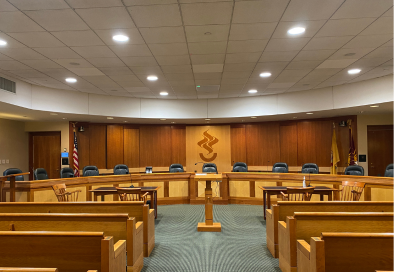
Berkeley Heights property owners would be barred from hosting a data center of any size, in any zone, if the Township Council adopts Ordinance 2026-13 at its Tuesday, July 21, meeting at the Municipal Building, 29 Park Ave. The start time was not listed in available documents.
The blanket ban is drawing scrutiny ahead of the vote. An analysis published Saturday, July 19, by NJ21st contributor Shauna Williams identified factual errors in the ordinance's text, questioned its water-usage claims, and noted the council introduced the measure without consulting the town planner. This article draws primarily on Williams' analysis; the full ordinance text was not independently reviewed.
What the ordinance gets wrong
The ordinance attributes a statement by Gov. Mikie Sherrill to March 27, 2026. The governor's official announcement containing that language was issued May 27, 2026, Williams reported. A separate Executive Order No. 2 was issued January 20, 2026.
The measure also cites water consumption of 3 to 5 million gallons per day by "some large-scale data centers." Williams noted the ordinance does not establish that those figures represent an average facility or the size that could realistically be built in Berkeley Heights. For context, the township's roughly 4,825 households use an estimated 1.45 million gallons per day combined, according to the analysis.
State context
Several other New Jersey municipalities have proposed or approved data center bans in 2026. Warren Township approved one in a 5-0 vote. Monroe Township, Millville, Andover Township, Pemberton Township, East Greenwich Township, and Red Bank have also acted.
The state Legislature sent a data center tariff bill to Gov. Sherrill on Wednesday, July 1, requiring the Board of Public Utilities to set tariff standards for facilities of at least 50 megawatts to shield residential ratepayers from grid-connection costs. Summit's Common Council is also weighing a data center ban, with a public hearing set for Monday, July 28.
How it reached the council floor
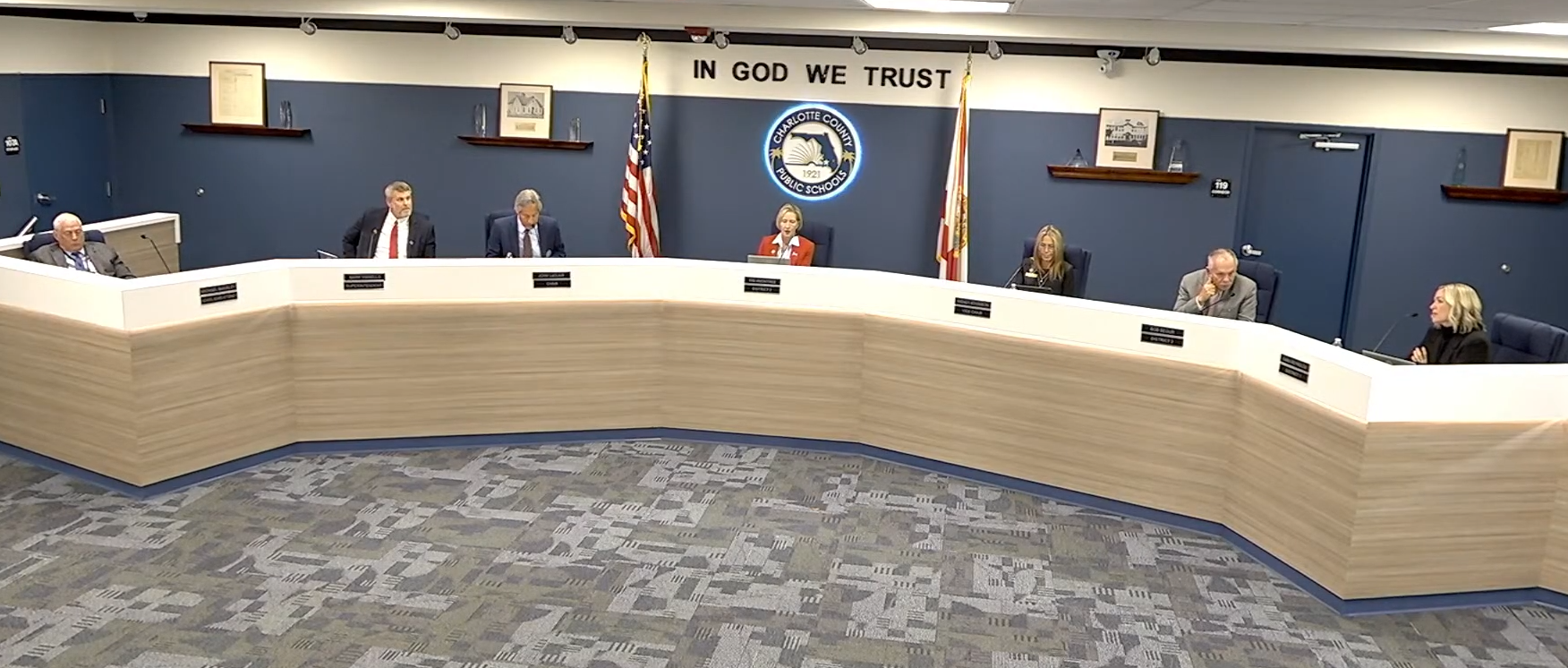
Council Vice President Susan Poage, who is also the Democratic candidate for mayor in November 2026, introduced the ordinance based on a 14-slide presentation she gave to the council. A June 19 analysis by BerkeleyHeights.news found the deck contained no bibliography, no reference page, and virtually no slide-level citations.
Council members acknowledged at a meeting before the July 19 article that they had not received input from the town planner before introducing the ordinance. The measure was subsequently referred to the Planning Board for its Wednesday, July 15, meeting, though no source has confirmed what action the board took. Council President John Foster, a Republican who is running against Poage for mayor, also serves on the governing body alongside Council members Alvaro Medeiros and Andrew Moran.
What's at stake for the Nokia site
No data center has been proposed in Berkeley Heights, according to the NJ21st analysis. The former Nokia Bell Labs campus at 600 Mountain Avenue is already moving through an affordable-housing pathway that includes 300 total units, 60 of them age-restricted rentals, according to township documents. A conventional standalone data center would not fit within the permitted-use definitions for that property under current zoning, Williams wrote, and any applicant seeking a use variance would bear the burden of proof even without the ban.
Residents and alternatives
Several residents spoke at the first reading urging the council to postpone the vote. Williams noted that alternatives to a blanket ban exist, including special-use permits, megawatt and square-footage thresholds, residential setbacks, and requiring data centers to supply their own power.
Without a categorical ban, Berkeley Heights could still regulate data centers through valid zoning, site-plan, and environmental standards, according to the analysis.
How to weigh in
The Township Council is scheduled to vote Tuesday, July 21, at the Berkeley Heights Municipal Building, 29 Park Ave. Residents can attend and speak during the public comment period. Individual council member vote positions have not been publicly confirmed.
A follow-up article will report the outcome after the vote.