Summit renters and condo owners can install plug-in solar panels on their balconies starting March 1, 2027, under a law Gov. Mikie Sherrill signed Tuesday, Sept. 1.
The Garden State Balcony Solar Act bars landlords, homeowner associations and municipalities from prohibiting the small solar devices or requiring permits for their use. It exempts plug-in systems of up to 1,200 watts from utility interconnection fees, metering requirements and equipment mandates.
That matters in Summit, where roughly 2,644 housing units are renter-occupied, according to Point2Homes demographic data. The city also has more than 1,500 units in multifamily buildings with five or more units.
How it works
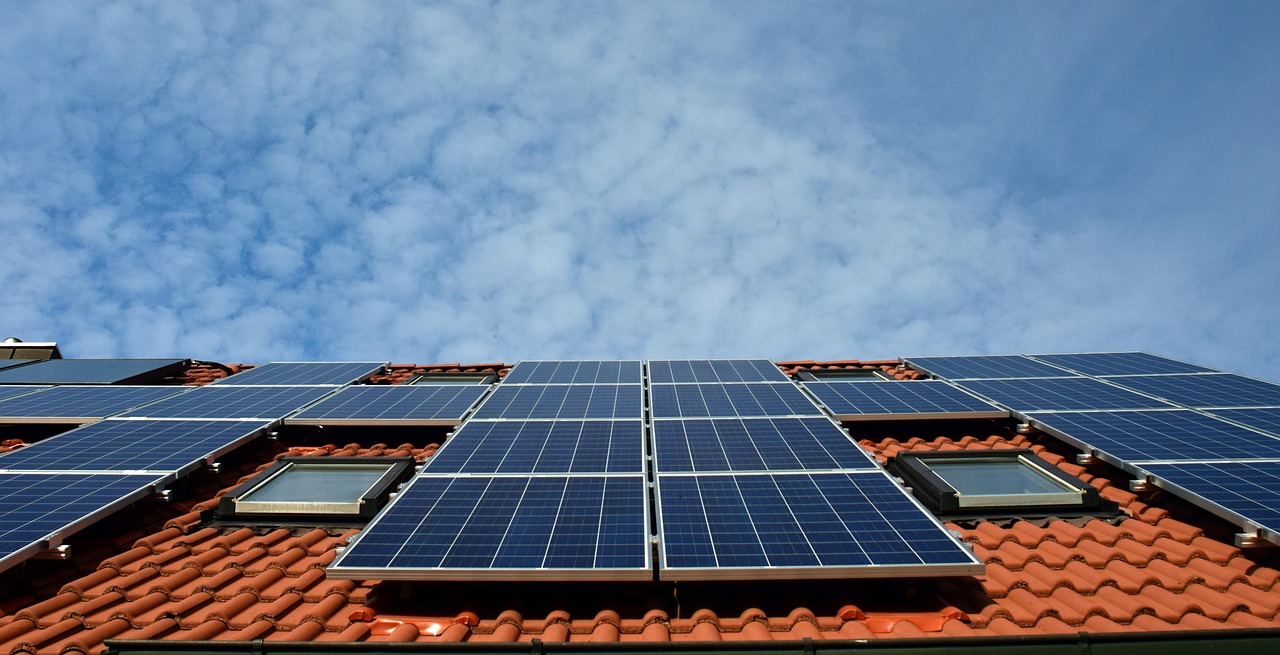
Balcony solar panels plug into a standard 120-volt outlet, Patch reported. Most kits include a microinverter and adapter that feed electricity directly into a home's existing wiring. The devices are sold online and at home improvement stores.
The panels cost about $800, state Sen. John F. McKeon said at the Sept. 1 signing ceremony, according to ROI-NJ. Sherrill said the systems could shave $50 a month from a customer's energy bill. Other state estimates put savings in a range of $15 to $50 per month, depending on sun exposure and usage.
"Not a single safety issue" has been reported with the systems, Sherrill said at the signing, according to ROI-NJ.
Rules for tenants and HOAs
Landlords cannot ban a qualifying system if the tenant pays the electric bill, according to Energy News Beat. HOAs and condo associations can set reasonable rules on size, location and placement but cannot impose blanket bans.
Tenants must give at least 14 days' written notice before installing a device, name the proposed location and show the kit complies with the law. The tenant assumes the risk of any damage from the device.
Devices must meet the National Electrical Code (NEC) and State Uniform Construction Code and carry a UL 3700 certification. Units rated at 400 watts or less are exempt from those requirements, according to pv magazine.
One limit: excess power is not credited through net metering. Savings come only from electricity used on site.
How the bill passed
The bill passed the state Senate 40-0 and the Assembly 79-0, with one abstention, on June 30. A Fairleigh Dickinson University poll released in 2026 found 78% of New Jersey voters strongly favored allowing balcony-sized solar panels.
Hannah Birnbaum, co-founder and chief of advocacy at Permit Power, said at the signing that about 40% of New Jersey residents rent or live in apartments and have never had a way to lower their own power bills, according to Parsippany Focus.
New Jersey is the ninth state to enact a plug-in solar law. The Garden State Balcony Solar Act takes effect March 1, 2027.