New Jersey wants to change how school districts measure student learning in teacher evaluations. The proposed rule change would directly affect how Summit, New Providence and Berkeley Heights schools assess their teachers.
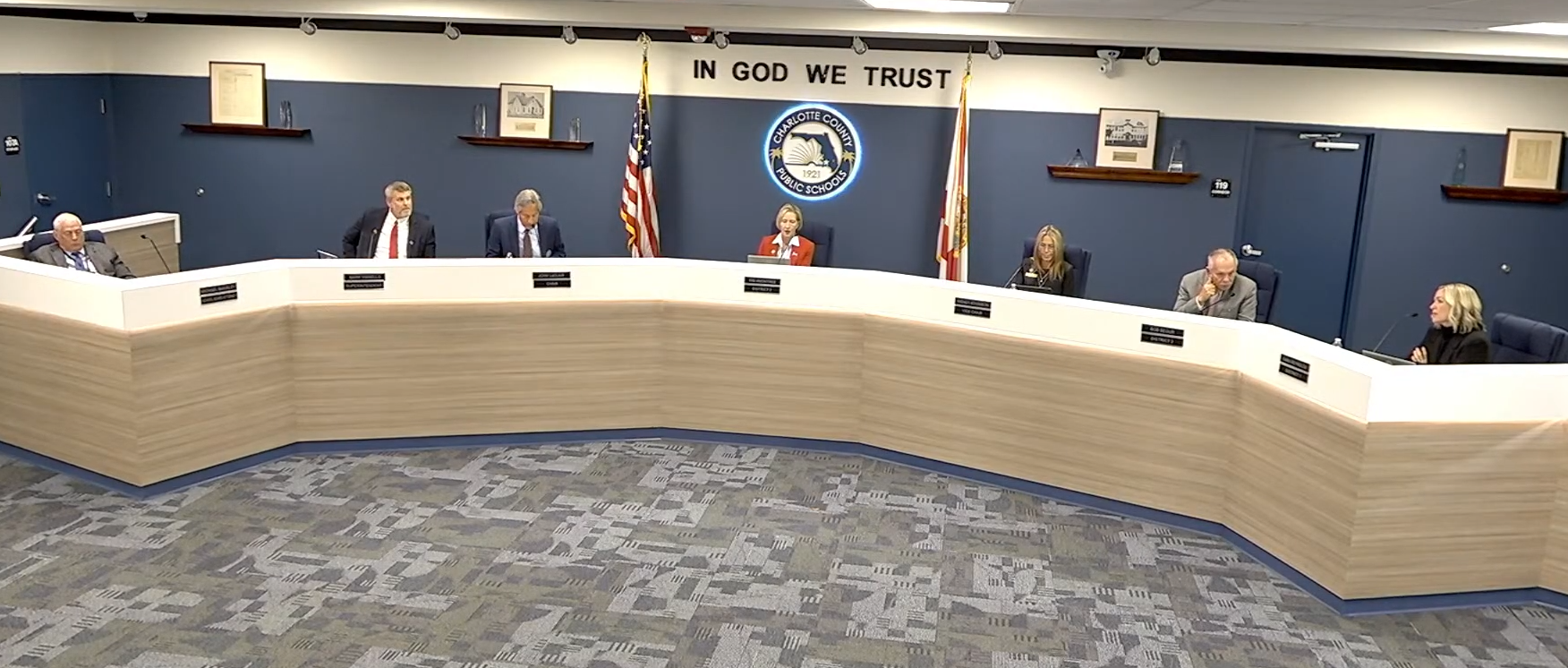
The proposal, first reported by NJ21st, would replace Student Growth Objectives (SGOs) with broader "Measures of Student Learning." Evidence of student progress could include projects, portfolios, teacher-developed assessments, district assessments and standardized tests. The State Board of Education discussed the changes at its Oct. 7 meeting.
The maximum number of required learning measures would drop from four to two.
The NJDOE's proposal document says two measures are already standard practice in nearly all districts statewide. The proposal also removes language from one section of the rules requiring that measures be "specific and measurable, based on available student learning data." That phrase would be replaced with a connection to individual, team, school or district goals. Other sections still define the measures as achievement or growth metrics aligned with curriculum and standards.
The changes grew out of a 2024 Governor's Task Force on Educator Evaluation and a 2025 working group. Commissioner Lily Laux's office described the amendments in the proposal document as a shift toward "a performance-based system that prioritizes instructional feedback, professional growth, and a more direct connection between evaluation results and professional development planning …"
What changes for teachers
Under the proposal, teachers and supervisors would develop the learning measures together. The principal would resolve disagreements. A supervisor would approve the final score.
Teachers who receive a student growth percentile (SGP) from standardized testing would need one or two measures. Teachers without an SGP would need exactly two. A teacher receiving an SGP still could not reuse the standardized assessment behind that score for a separate learning measure.
The Oct. 31 deadline for establishing evaluation criteria would remain, but specific targets and scoring details could be finalized after that date with supervisor approval. The existing Feb. 15 deadline for mid-year adjustments would be eliminated. Instead, the proposal says changes would need to be warranted by data or significant shifts in student population or instruction, with approval from the chief school administrator.
Schoolwide measures could also count toward a teacher's evaluation. The School Improvement Panel would identify those measures and define their scope, with the chief school administrator's approval.
School boards group wants a seat at the table
The New Jersey School Boards Association submitted written comments on Oct. 9 supporting the overall shift but requesting one key addition: a board of education member on each district's evaluation advisory committee.
The NJSBA argued that board participation would help ensure evaluation improvements are "formally reflected in board policy" and that the benefit "should not hinge on the discretion of a Chief School Administrator." The group also questioned whether fixing the number of measures at exactly two for all non-SGP teachers is necessary, saying districts may need variation based on individual and district needs.
SGO pause already in effect
For the 2026-27 school year, collecting new SGO data is generally paused for tenured teachers. Their most recent scores are being used instead. Exceptions apply to teachers in their first year in a district, those without previous SGO records and non-tenured teachers. The pause is tied to the expiration and readoption of these rules, with updated data collection starting in the first full school year after adoption.
The current rules expire July 6, 2027.
How to weigh in
The proposal is at the second discussion stage. No closing date for public comment is listed on the NJDOE's proposal page. Comments can be emailed to [email protected]. The State Board's next meeting is Wednesday, Nov. 4.