Summit is taking a step to ensure it remains eligible for federal disaster funding as flooding becomes an increasingly familiar problem across Union County.
The Common Council took up a resolution Tuesday, July 28, to adopt the 2026 Union County Multi-Jurisdictional Natural Hazard Mitigation Plan, a FEMA-required plan that allows municipalities to qualify for disaster recovery and hazard mitigation grants. The vote had not been confirmed as of Wednesday, July 29, because meeting minutes had not yet been posted.
The plan, prepared for the Union County Division of Emergency Services, outlines strategies for dealing with floods, severe storms, power outages, cyberattacks and other hazards through 2031. You can read the full draft plan.
The timing comes as Summit and the surrounding area have been hit with repeated flood watches this month. On the day of the council meeting, parts of New Jersey were again under a flood watch, with rainfall rates of up to 2 inches per hour forecast for some areas. It was the region's third flood watch in 10 days, as previously reported by Summit Area News.
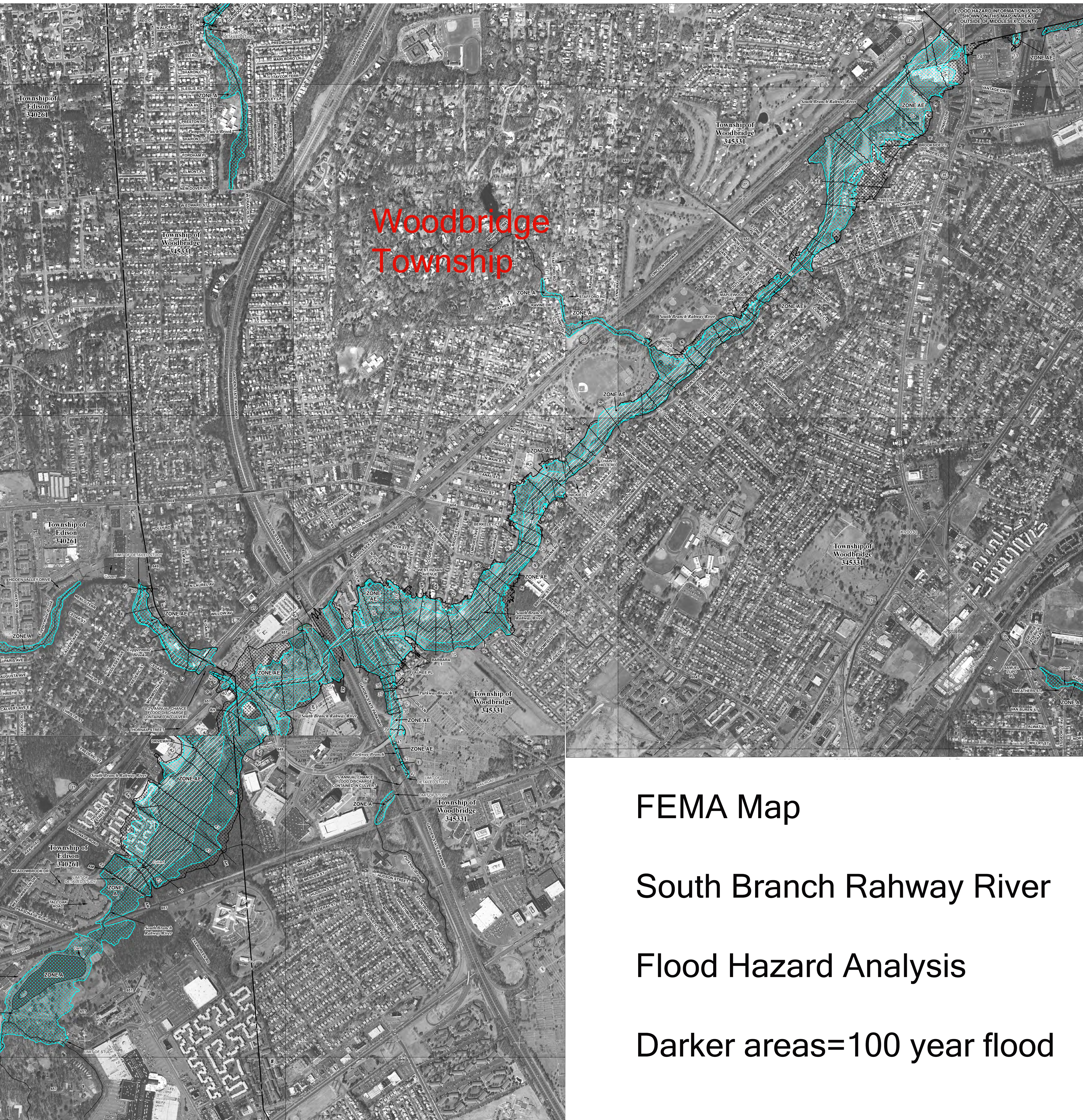
Flooding remains one of Union County's biggest natural hazards, particularly along the Rahway River watershed, which includes Summit.
Adopting the plan is more than a paperwork requirement. Under the federal Disaster Mitigation Act of 2000, communities must have a FEMA-approved hazard mitigation plan to remain eligible for grants that help pay for flood-control projects, storm recovery and other resilience efforts. The plan cites a National Institute of Building Sciences study finding that every $1 invested in hazard mitigation saves an average of $6 in future disaster costs.
According to NJ21st, the city's meeting packet did not include the full county plan or specify an adoption date. No Summit officials have publicly commented on the resolution.
The Common Council does not meet in August. Summit Area News will update this story once official meeting minutes confirming the vote are released.