Summit officials moved closer Tuesday to blocking large-scale AI data centers from setting up shop in the city, arguing the power-hungry facilities could consume valuable commercial space while creating few permanent jobs.
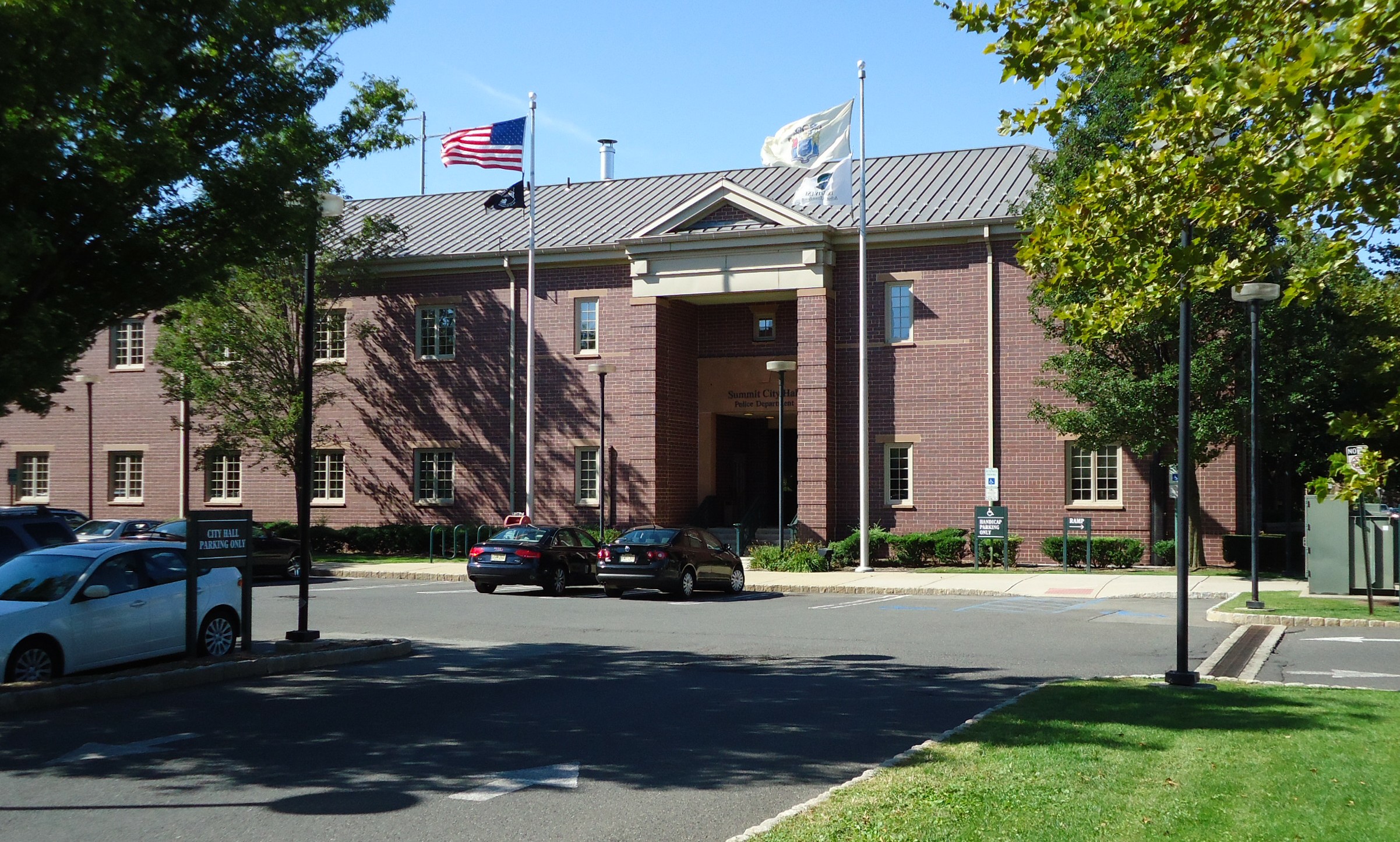
The Common Council discussed Ordinance #26-3390 on July 7, a proposal that would permanently ban large-scale AI data centers in every zoning district across Summit. The measure is part of a growing debate across New Jersey over how communities should handle the rapid expansion of artificial intelligence infrastructure.
City planner Joe Burgess told the Planning Board last month that data centers require significant space and resources but typically employ very few workers after construction is complete.
“While data centers can generate a lot of construction jobs, once that’s built, there’s no jobs,” Burgess said at the June 29 meeting.
The proposed ordinance defines a prohibited AI data center as a facility primarily used to train, deploy or host AI models for outside users that uses more than 20 megawatts of peak power or has a measurable impact on the city’s water supply.
The rules would not affect smaller server rooms used by businesses for their own operations. Planners also revised the language to prevent companies from avoiding the ban by dividing large facilities into smaller connected spaces or adding office space to change the building’s primary use.
Why Summit is making the move
City planners said the goal is protecting limited commercial land and preserving space for businesses that bring more long-term employment opportunities.
Summit is among several New Jersey communities taking action as demand grows for AI data centers, which power everything from cloud computing to artificial intelligence tools. Other towns, including Warren Township, Red Bank and Sayreville, have passed restrictions or temporary bans.
The state has taken a different approach. Gov. Mikie Sherrill’s administration announced a plan in May requiring data center developers to help pay for grid upgrades and publicly report electricity and water usage, but it stopped short of a statewide moratorium.
The Council is expected to hold a public hearing on the ordinance Tuesday, July 28. Residents can submit comments or attend the hearing at City Hall; the city clerk’s office will post final meeting details.