A new New Jersey Supreme Court ruling could make it harder for developers to win approval for projects that require zoning exceptions — and give local zoning boards more power to reject proposals that clash with a town’s planning goals.
The court ruled Monday, July 13, that zoning boards must separately and clearly evaluate whether a proposed project would undermine a municipality’s master plan before granting a use variance.
The decision came in Monarch Communities, LLC v. Township of Montville, reversing an earlier Appellate Division ruling and sending the case back for review under the new standard.
Monarch Communities sought approval for a 165-unit senior living complex on an eight-acre former farm in Montville, where the project was not permitted under existing zoning.
The proposal included independent living apartments, assisted living units, memory-care units and affordable housing.
Montville’s Zoning Board rejected the project in 2021, citing concerns over density, traffic, drainage and conflicts with the town’s zoning plan. A trial court later overturned that decision, and the Appellate Division upheld the reversal before the Supreme Court took up the case.
For decades, zoning boards have followed a four-part test when reviewing use variances. The Supreme Court said that framework did not fully account for changes made to state land-use law in 1997.
Under the new standard, boards must now make a separate finding on whether a project would substantially conflict with a town’s master plan or zoning ordinance.
That means boards must do more than say a project “doesn’t fit.” They must point to specific evidence — such as density, neighborhood character, traffic or safety concerns — and explain why the conflict is significant.
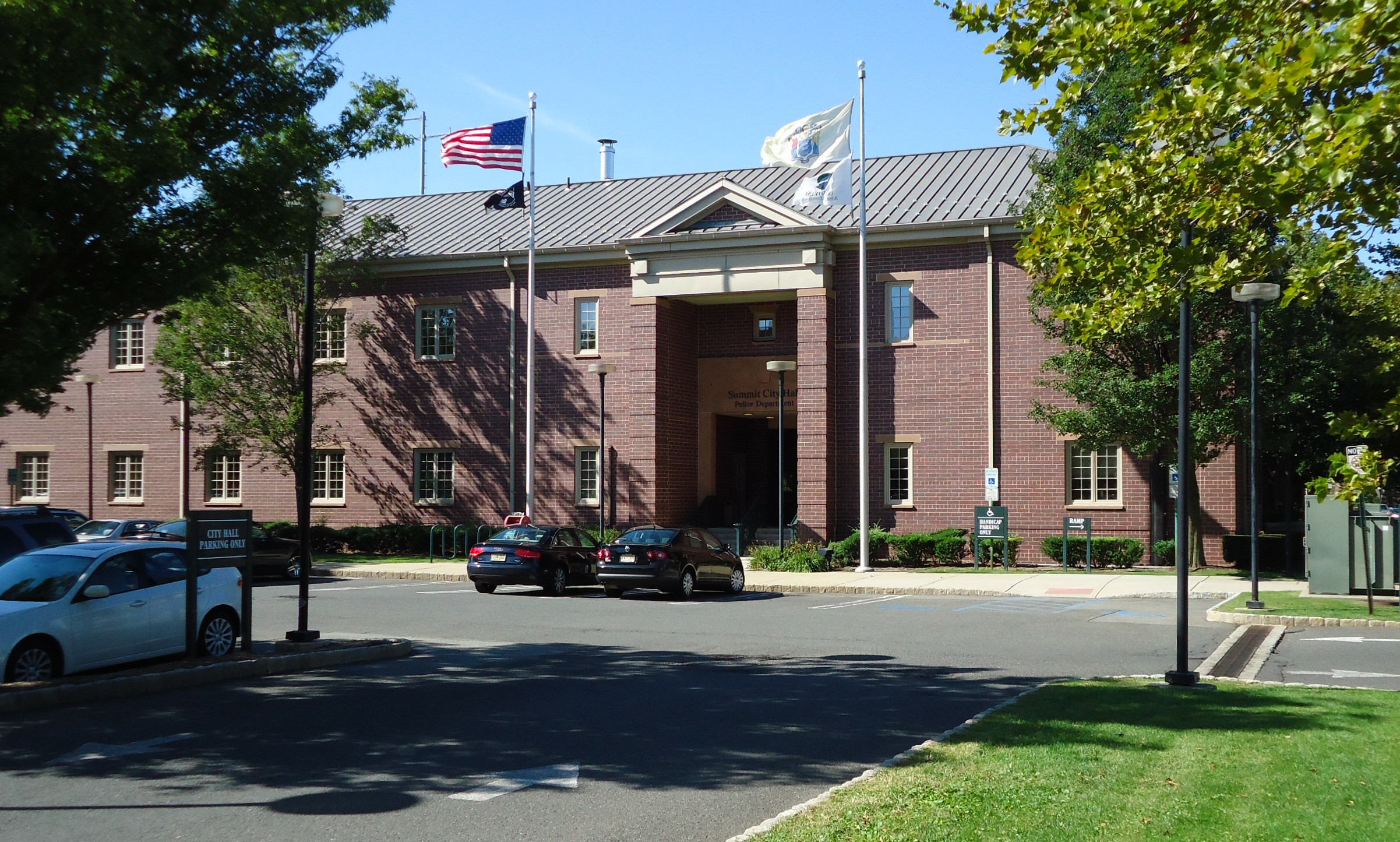
The ruling applies to projects requiring use variances, which could affect future applications before Summit’s Zoning Board of Adjustment.
One pending example is the Beacon Unitarian Church proposal at 695 Springfield Ave., which has been repeatedly postponed since its first hearing in December 2024. City records show the matter was last scheduled for April 6, 2026, though no new hearing date had been posted.
The city’s 190 River Road mixed-use development, part of Summit’s affordable housing settlement with Russo Development Company, is not affected because it was approved through a separate legal process.
For developers seeking use variances, the ruling could mean longer hearings and a higher burden to prove that their projects fit within a community’s long-term vision.
Summit’s Zoning Board of Adjustment meets at 7:30 p.m. on the first and third Monday of each month at City Hall.