One in five mosquito samples collected across Union County this season has tested positive for West Nile virus, health officials confirmed Tuesday, July 14, as recent storms push mosquito populations higher throughout Union County, including the Summit area.
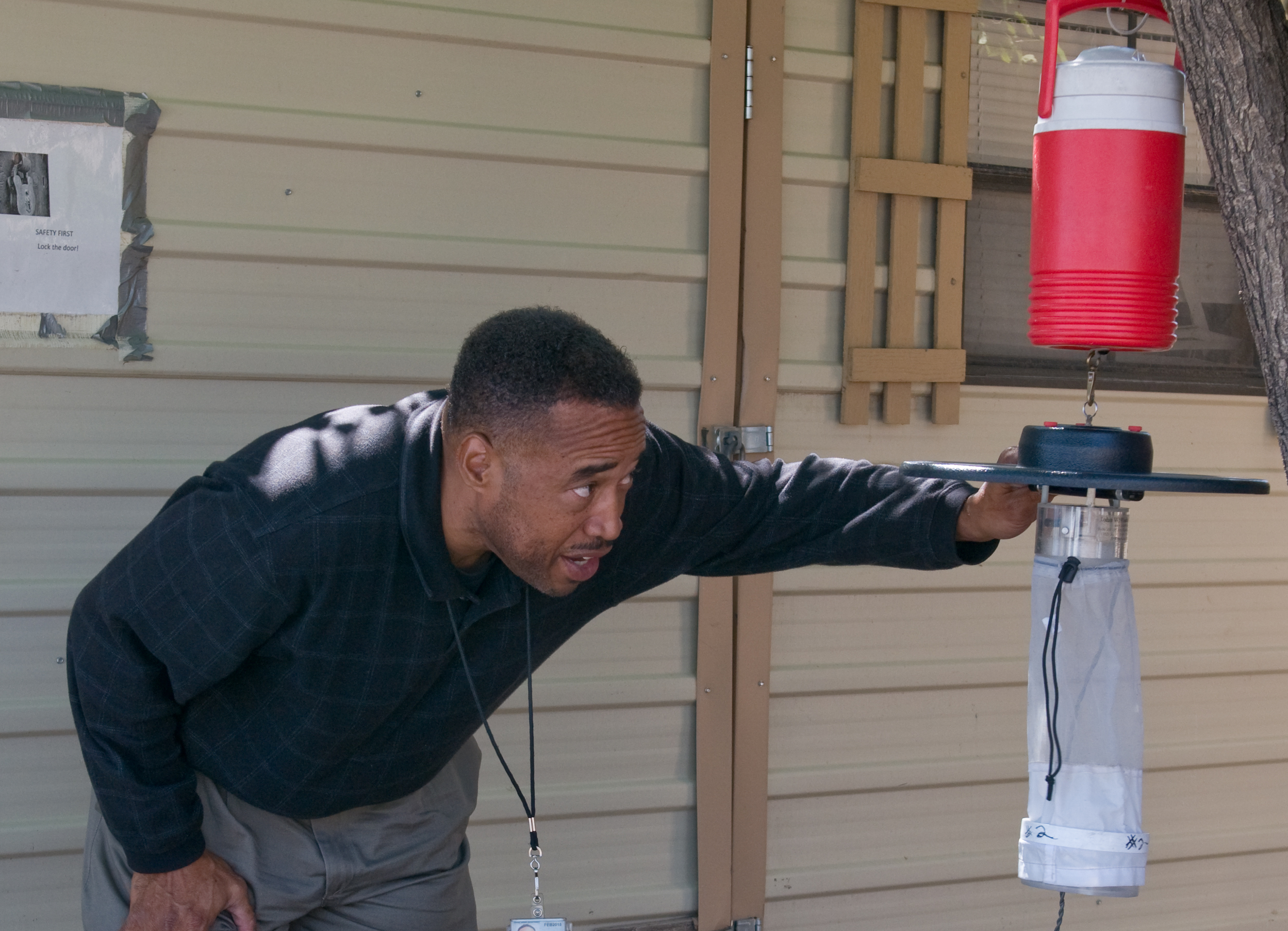
Sean Devaney, chief of mosquito control for Union County, said his division has submitted 50 mosquito samples for testing since surveillance began at the end of May. Ten came back positive for West Nile virus. No human cases have been reported in Union County this season.
"We started with relatively high mosquito populations," Devaney said. "Mosquito control operations coupled with dry conditions have reduced these populations. Recent rain events and lunar tides have caused an uptick in the mosquito numbers, and we have just started to see increased West Nile virus activity."
The county is responding with daily reassessments of where to target spraying and larval control. Devaney described adult mosquito spraying as "a minor but an essential part" of a broader program that also includes source reduction and larval treatment. The county most recently conducted evening spraying operations on Thursday, July 2, between 6 p.m. and 11 p.m.
Statewide and national picture
The spike is not limited to Union County. As of Saturday, July 11, West Nile virus had been detected in 54 mosquito pools across 12 New Jersey counties, according to the state's vector-borne disease dashboard. During the same period in 2025, the state found only 25 positive pools. New Jersey reported 23 human cases last year, above its typical annual average of 13 to 14.
Nationally, 48 human cases were reported through the end of June, the highest total at that point in a year since 2004, according to the CDC. The agency typically reports an average of 10 cases by the end of June.
Who is most at risk
The New Jersey Department of Health notes that people ages 55 and older and those with weakened immune systems face greater risk of severe illness from West Nile virus. About 80 percent of infected people never develop symptoms. Roughly 1 in 150 develop a severe neuroinvasive form that can cause inflammation of the brain and spinal cord. Ten percent of neuroinvasive cases are fatal. There is no specific treatment.
What residents can do
County officials recommend Summit-area residents take these steps to reduce exposure:
- Remove standing water from buckets, planters, birdbaths, pool covers, and pet dishes.
- Clear clogged rain gutters.
- Use insect repellent containing DEET when spending time outdoors.
- Contact the Union County Office of Mosquito Control at 908-654-9834 or 908-654-9835 with questions or to request assistance at no charge.
Mosquito surveillance and testing will continue through October, with the county adjusting control efforts based on population levels and test results.