Most voters in New Jersey's whitest towns don't think their schools are segregated. A new poll from Fairleigh Dickinson University in Madison documents a sharp gap between that perception and the state's ranking as one of the most segregated for school racial composition.
The FDU Poll, published Monday, July 27, surveyed 1,211 registered voters statewide and found that among residents of municipalities that are 90 percent or more white, only 9 percent say their schools are segregated by race. Seventy-three percent say there is "a good mix."
New Jersey ranks among the most segregated states in the country for school racial and ethnic composition, according to the full release published by InsiderNJ, which compares the state to Alabama and Mississippi.
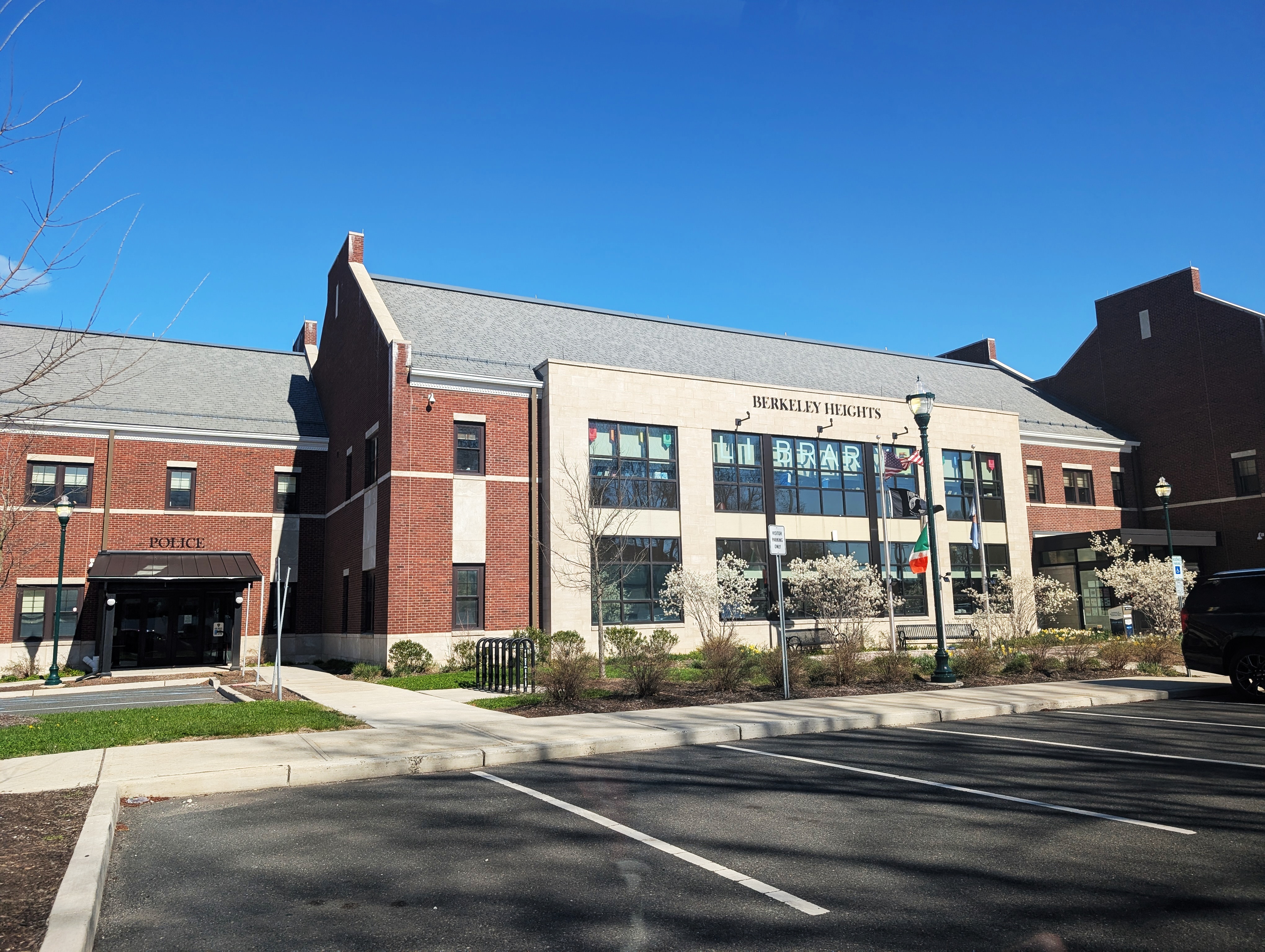
The findings land close to home. Summit, New Providence, Berkeley Heights, Chatham, and Madison are predominantly white communities where redistricting, enrollment shifts, and housing development are already live issues for school boards. The poll's statewide data suggests a perception gap likely mirrors local conditions.
The experiment
Dan Cassino, executive director of the FDU Poll and professor of government and politics, and Peter Woolley, director emeritus of the poll and professor of government and politics, designed a "racial priming" experiment embedded in the survey. Respondents were randomly split into three groups: one was asked about racism before being asked about school segregation, one answered non-partisan filler questions first, and one answered partisan questions first.
Among white voters in very white municipalities (80 percent or more white) who believe racism can be systemic, being asked about racism first nearly tripled the share saying their schools are segregated, from 6 percent in the control group to 17 percent.
That same priming effect boosted support for integration policies. Support for regional magnet schools jumped from 53 to 72 percent, inter-district transfers from 58 to 74 percent, and inter-district busing from 31 to 43 percent. It did not move support for district mergers.
Cassino said the perception gap reflects avoidance rather than ignorance, paraphrasing that even in the whitest areas, people know segregation is bad and don't want to recognize how severe the problem is in their own communities.
Statewide support
Across all voters, 72 percent support easier inter-district transfers, 56 percent support building regional magnet schools, 44 percent support merging school districts, and 41 percent support inter-district busing. Support runs substantially higher among Black and Hispanic voters: 70 percent of Black voters back forced district mergers compared with 36 percent of white voters.
The poll also found that 52 percent of New Jersey voters say racism can happen on a systemic level without racist intent, while 39 percent say something can only be racist if driven by intent. Democrats accept systemic racism at 69 percent; Republicans at 35 percent.
Local context
New Providence's board has been engaged in redistricting discussions tied to enrollment projections and high-density housing development. In February 2025, the School District of the Chathams said it would continue adhering to existing laws and regulations in response to federal guidance telling schools to cease using race preferences in admissions.
The FDU survey was conducted June 23–30 by Braun Research of Princeton using text-to-web surveys. The margin of error is plus or minus 3.0 percentage points, or 4.2 points including design effects.
"People are able to recognize the disconnect between their own principles and what they're seeing around them," Cassino said in the release. "The problem is that they're just not being asked to do so."