Summit High School students say they are talking more, studying more and sleeping earlier since New Jersey's bell-to-bell cell phone ban took effect in September.
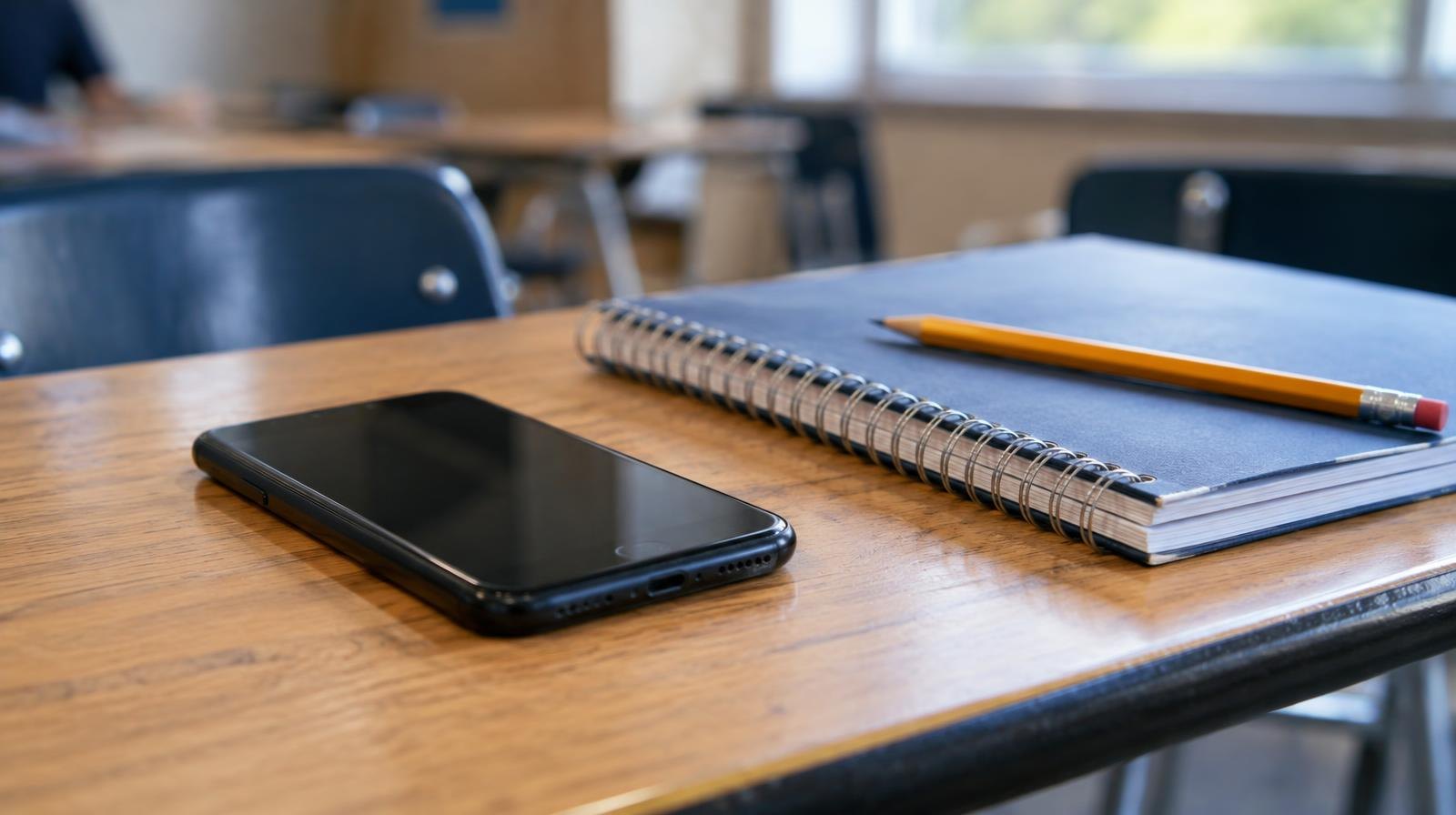
The statewide law, signed by then-Gov. Phil Murphy on Jan. 8, requires every K-12 public school district to prohibit student use of cell phones and other internet-enabled devices during the school day. At Summit High School, the rule means phones must be powered off and stored in backpacks or lockers from first bell to last.
Students and staff described the early results in interviews with Verve, the Summit High School student newspaper, which first reported on the ban's local impact Oct. 5.
The law covers cell phones, tablets, smartwatches and any device capable of connecting to the internet. School-issued devices used for instruction are exempt. Exceptions also apply to students with Individualized Education Programs (IEPs) or 504 plans, students whose health plans require a device, students needing translation services and routine caregivers, according to the New Jersey Education Association.
New Jersey allocated $3 million in grants through a Phone-Free Schools Grant Program awarded to 86 districts, ABC 7 reported. Gov. Mikie Sherrill's fiscal year 2027 budget added $625,000 to support the first phone-free school year and $33 million for youth mental health services, according to Chalkbeat. Whether Summit received any of those grant funds is not clear from available public records.
At Summit High, assistant principal Elizabeth Aaron said administrators have noticed more student interaction since the ban started. Aaron cited research linking social media use among teenagers to anxiety, depression and declining academic performance.
Sophomore Nicholas Siino told Verve that students' heads are no longer buried in screens between classes. He described more conversation in hallways and at lunch. "When we would talk to our friends, we would have our phones, and it is rude," Siino said.
Senior Carly Callahan said the ban freed up study hall time for assignments and college essays. Student athletes and those with after-school jobs reported getting to sleep earlier because they finish more schoolwork during the day, Verve reported.
The New Jersey School Boards Association (NJSBA) said it advocated for local flexibility in how districts implement the ban. Executive director Dr. Timothy J. Purnell said in a Jan. 13 statement that the law "empowers our schools to prioritize instructional time and student engagement."
The district's specific enforcement procedures beyond the "off and away" rule have not been detailed publicly. Summit families can check the Summit Board of Education's meeting schedule for upcoming agenda items on cell phone policy.